

Play is an essential part of childhood because it creates enjoyable opportunities for children to explore, communicate, and understand the world around them. Through interactive experiences, young learners can discover their abilities while developing meaningful relationships with others. Playful learning encourages curiosity, creativity, and independence in a supportive environment. These experiences help children become more confident, socially aware, and enthusiastic about discovering new skills through everyday activities.
Building Self-Confidence Through Creative Play
Creative play gives children the freedom to express their thoughts, explore personal interests, and celebrate their achievements. Participating in enjoyable activities helps them become comfortable sharing ideas and trying unfamiliar experiences. Every small accomplishment encourages greater independence and self-belief.
- Drawing and painting encourage individual expression.
- Building activities develop creativity and decision-making.
- Pretend play inspires imagination and confidence.
- Interactive storytelling strengthens communication abilities.
- Creative challenges encourage independent thinking.
Developing Social Awareness Through Group Activities
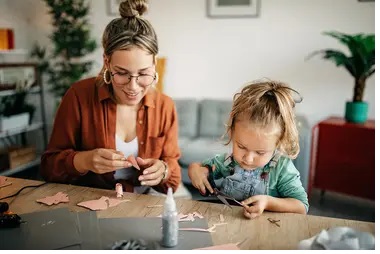
Group experiences introduce children to cooperation, friendship, and shared responsibilities. Participating in activities with others helps them understand different opinions and recognize the importance of positive interactions. These experiences create valuable opportunities to develop empathy and respect.
- Team games encourage cooperation and participation.
- Group discussions develop active listening skills.
- Shared projects promote mutual understanding.
- Role-playing introduces different emotions and perspectives.
- Friendship activities strengthen kindness and inclusion.
Encouraging Communication Through Interactive Experiences
Communication becomes more enjoyable when children participate in activities that inspire conversation and expression. Playful interactions help young learners share their thoughts, ask questions, and listen carefully to others. These opportunities gradually improve their ability to communicate confidently.
- Storytelling sessions encourage expressive speaking.
- Question games develop curiosity and conversation.
- Puppet activities inspire imaginative communication.
- Group presentations strengthen speaking confidence.
- Collaborative discussions encourage respectful listening.
Strengthening Emotional Understanding Through Play
Playful experiences help children recognize their feelings and understand the emotions of others. Through imaginative situations and supportive interactions, they learn positive ways to express themselves. These activities nurture emotional awareness and encourage meaningful connections.
- Emotion games introduce different feelings.
- Pretend situations encourage empathy and understanding.
- Sharing activities develop patience and generosity.
- Cooperative challenges encourage positive attitudes.
- Creative expression supports emotional development.
Supporting Problem-Solving And Independent Thinking
Enjoyable challenges allow children to explore possibilities and discover creative solutions. Hands-on experiences encourage them to observe carefully, make decisions, and approach activities with enthusiasm. Completing different tasks also creates a rewarding sense of achievement.
- Puzzles develop logical thinking and concentration.
- Building games encourage experimentation and creativity.
- Matching activities improve observation skills.
- Team challenges introduce shared problem-solving.
- Exploration games inspire curiosity and independence.
Creating Positive Experiences For Lifelong Growth
Consistent opportunities for playful learning help children develop valuable abilities that support their personal and social growth. Balanced enrichment activities combine creativity, communication, teamwork, and exploration in enjoyable ways. Parents can learn more about engaging learning opportunities that encourage children’s confidence and development.
When children experience the joy of learning through play, they become more comfortable expressing themselves and connecting with others. These positive experiences establish a strong foundation for confidence, social awareness, friendship, and lifelong learning.