

Limit switches play a vital role in modern manufacturing automation lines by ensuring safe, accurate, and controlled machine operations. These compact electromechanical devices detect the presence, position, or movement of objects and send signals to control systems. Their contribution enhances productivity, improves safety, and maintains smooth workflow in automated environments. In highly efficient production systems, limit switches act as essential feedback components that help machines operate within defined boundaries.
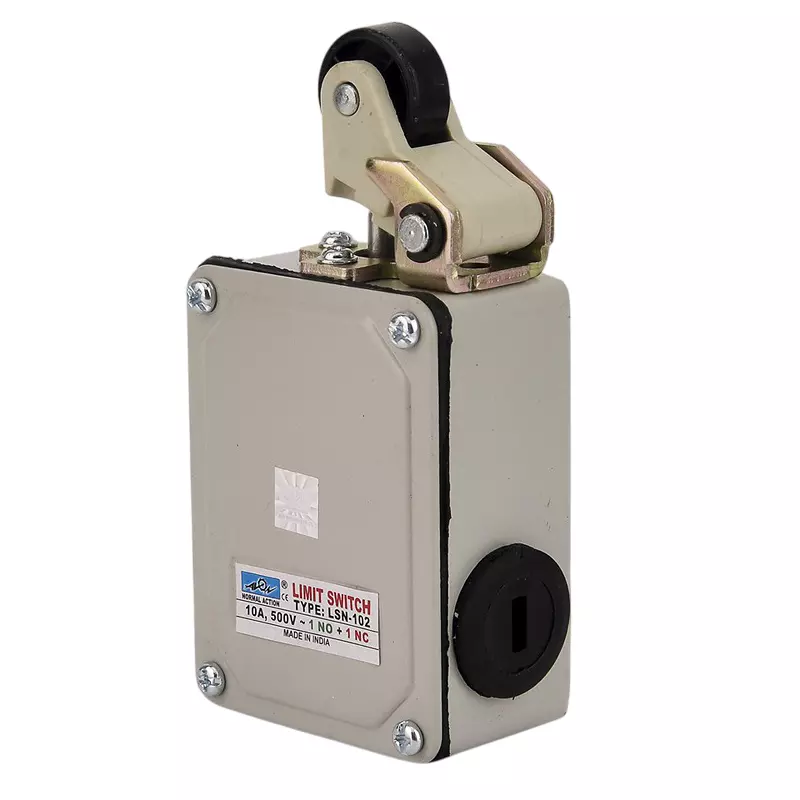
What Are Limit Switches
Limit switches are devices designed to respond when a mechanical component reaches a specific position. They convert physical movement into electrical signals that control machine actions. In automation lines, they help detect end positions, ensure correct alignment, and prevent over-travel of machine parts. Their simple yet reliable structure makes them widely used in industrial systems.
Key characteristics include:
- High durability under continuous operation
- Quick response to mechanical movement
- Reliable signal transmission to control systems
- Ability to function in harsh industrial environments
- Compatibility with various automated machines
Importance in Manufacturing Automation Lines
Limit switches are critical in ensuring precision and coordination across automated processes. They help maintain order in complex production environments where multiple machines operate simultaneously.
Key importance includes:
- Ensuring machines stop or start at exact positions
- Preventing mechanical collisions and equipment damage
- Supporting accurate positioning in assembly lines
- Enhancing synchronization between different machine stages
- Improving operational safety for workers and systems
- Reducing downtime caused by mechanical errors
- Providing real-time feedback for automated control systems
- Supporting quality consistency in production output
Benefits in Automation Systems
Limit switches contribute significantly to improving the efficiency and reliability of manufacturing operations. Engineers reference limit switch definition when explaining safety mechanisms and accurate positioning in industrial equipment setups.
Major benefits include:
- Increased machine safety and reduced risk of accidents
- Enhanced production accuracy and repeatability
- Lower maintenance requirements due to reduced wear and tear
- Improved energy efficiency by controlling unnecessary machine movement
- Cost-effective solution for position sensing and control
- Simplified automation system design and integration
- Long operational life with minimal servicing needs
- Improved process monitoring and control efficiency
Applications in Manufacturing Lines
Limit switches are used in various stages of automated production systems, making them highly versatile components.
Common applications include:
- Conveyor belt systems for detecting object position
- Robotic arms for controlling movement limits
- Packaging machines for ensuring correct sealing positions
- Material handling systems for load positioning
- Assembly lines for component alignment verification
- Safety doors and machine guards for access control
- Press and stamping machines for stroke limitation
- Sorting systems for object detection and routing
Conclusion
Limit switches are indispensable components in manufacturing automation lines, offering reliability, precision, and safety. Their ability to provide accurate position feedback ensures smooth machine coordination and efficient production flow. By preventing mechanical failures and enhancing control accuracy, they significantly contribute to optimized industrial performance. As automation continues to advance, limit switches remain a foundational element supporting consistent, safe, and efficient manufacturing operations.