

Arterial bleeding is a serious emergency that requires quick thinking and calm action. Bright red blood that spurts rapidly from a wound may indicate damage to a major artery. Knowing how to respond safely can help protect a person until professional medical support arrives. Proper preparation, awareness, and simple first aid practices can make a meaningful difference during a critical situation.
Recognize the Warning Signs Quickly
Understanding the signs of arterial bleeding is an important first step during an emergency.
- Blood may pulse or spurt from the wound
- Bleeding can become heavy within seconds
- Skin may appear pale or cool
- Weakness or dizziness may develop
- Rapid breathing or confusion may occur
Acting immediately after recognizing these signs can help reduce further blood loss.
Keep Essential First Aid Supplies Ready
A well-prepared emergency kit can improve response time during accidents or injuries.
Include items such as:
- Sterile gauze pads
- Clean cloth bandages
- Protective gloves
- Medical tape
- Trauma dressings
- Emergency scissors
- Elastic wraps
Store supplies in an easy-to-reach location and check them regularly to ensure they remain clean and usable.
Apply Direct Pressure without Delay
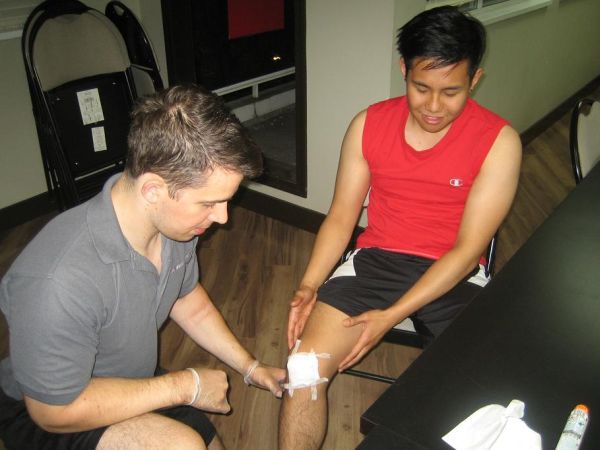
Direct pressure is one of the most effective ways to slow arterial bleeding.
Follow these important steps:
- Place a clean dressing over the wound
- Press firmly using both hands if necessary
- Maintain continuous pressure without lifting the dressing
- Add extra layers if blood soaks through
- Encourage the injured person to remain still
Steady pressure helps blood clotting begin and reduces excessive blood loss.
Elevate the Injured Area Carefully
If possible and safe, gently raise the injured limb above heart level.
Benefits of elevation include:
- Slower blood flow to the injury
- Reduced swelling
- Improved pressure control
- Better support for clot formation
Avoid moving the injured area if fractures or severe trauma are suspected.
Stay Calm and Communicate Clearly
Remaining calm during an emergency helps everyone respond more effectively.
Helpful communication tips include:
- Speak slowly and clearly
- Reassure the injured person
- Give simple instructions
- Ask someone nearby to contact emergency responders
- Monitor breathing and alertness
Confidence and calm behavior can reduce panic and support faster action.
Learn Proper Tourniquet Awareness
Tourniquets may help control life-threatening bleeding when direct pressure is not enough. Learning safe application arterial bleeding techniques through proper first aid training can improve emergency readiness.
Important reminders include:
- Use only when bleeding is severe and uncontrolled
- Place it above the injury site
- Secure it tightly enough to reduce bleeding
- Avoid loosening it unnecessarily
- Note the application time if possible
Preparedness training helps individuals respond with greater confidence during emergencies.
Focus On Prevention and Safety
Reducing injury risks is an important part of emergency preparedness.
Simple prevention ideas include:
- Wear protective gear during physical activities
- Keep sharp tools stored safely
- Maintain clear walkways
- Practice safe workplace habits
- Teach family members basic first aid skills
Prepared individuals are often able to respond more effectively during unexpected situations.
Controlling arterial bleeding requires quick action, awareness, and proper preparation. Simple first aid techniques such as applying direct pressure, staying calm, and using emergency supplies responsibly can help support a safer outcome. Learning these essential preparedness tips encourages confidence and readiness during critical moments when every second matters.