

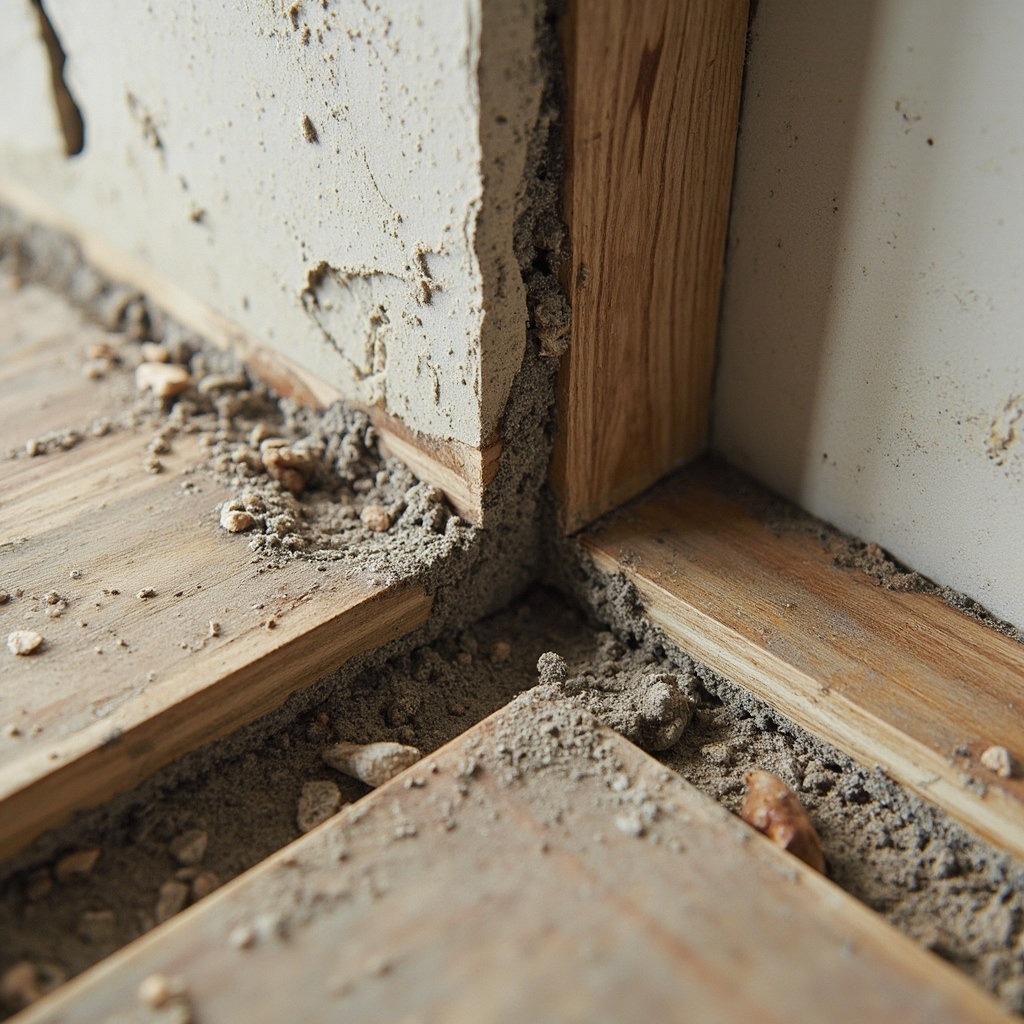
 You know that moment when you step back to admire a freshly installed skirting board, including Aluminum Alloy Baseboard, only to spot a gap at the corner wide enough to lose a coin? That’s the difference between a job that looks “good enough” and one that screams craftsmanship. Corner connections are the handshake of any skirting installation—if they’re sloppy, the whole room feels off. Let’s cut through the noise and talk about how to own those inside and outside corners like a pro.
Inside corners are the quiet workhorses. They hide in the shadows, but a bad one sticks out like a sore thumb. The trick here isn’t brute force; it’s precision. You can’t just jam two pieces together and hope for the best. The secret weapon? A coping saw. Yes, it takes a little more time, but the payoff is a seam so tight it looks like the skirting grew there. Cut one board square to the wall, then cope the adjoining piece to match its profile. That joint won’t open up when the seasons change, and it won’t mock you with a gap later. If you’re using our pre-primed MDF skirting, the smooth surface makes coping a breeze—no splintering, no fuss.
Now, outside corners. These are the divas of the installation world. They demand attention, and they’ll punish you if you rush. The classic mitre cut is the go-to, but here’s the kicker: a 45-degree angle on paper isn’t always a 45-degree angle on your wall. Walls are never perfectly square. So measure twice, cut once, and then test-fit before you commit. A digital angle finder is your best friend here—don’t rely on a cheap plastic protractor. And please, for the love of clean lines, use a quality adhesive and a pin nailer. Our skirting boards come with a reinforced core that holds nails without splitting, so you can sink them in tight without that dreaded cracking sound.
Here’s the hard truth most installers ignore: corner blocks. They’re not just for lazy people. A well-chosen corner block turns a tricky connection into a design statement. It adds a architectural detail that elevates the whole room, and it eliminates the risk of a botched mitre entirely. If you’re selling a high-end finish to a client, corner blocks are your ace. They scream “I thought about this” without saying a word.
Don’t forget the filler. Even the best cut needs a little love. Use a flexible, paintable caulk for inside corners—it moves with the house. For outside corners, a two-part wood filler that hardens fast will let you sand it down to a razor-sharp edge. Then prime and paint. Our skirting comes pre-primed, so you’re one coat away from perfection.
The bottom line? Corners are where the amateur gets exposed and the pro gets paid. Master them, and your installations won’t just look finished—they’ll look inevitable. No gaps, no excuses, just clean lines that make people stop and stare. That’s the kind of work that gets you referrals, not callbacks. So take the extra ten minutes per corner. Your reputation will thank you.